


Welcome to Moelsted's Atelier
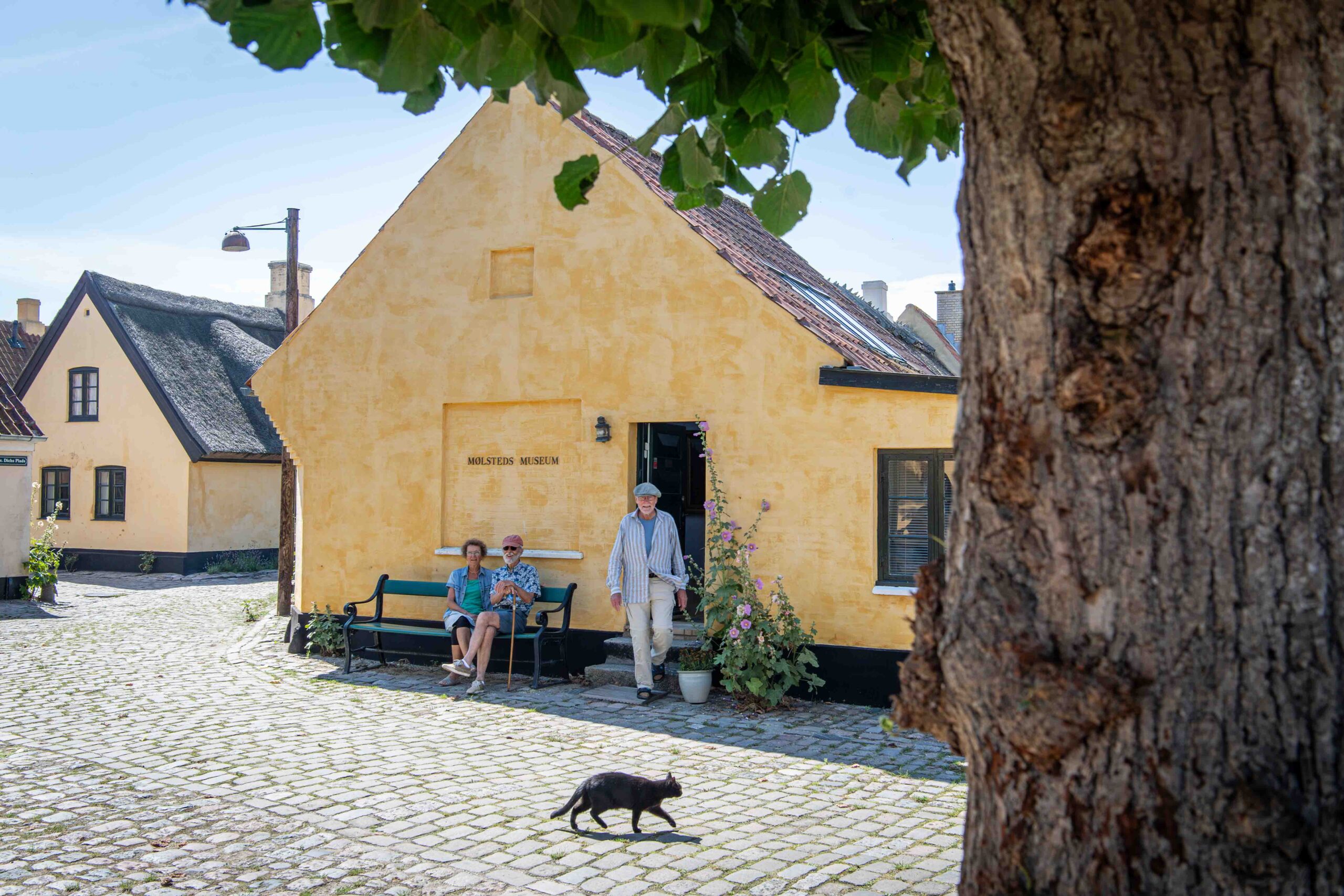
Mølsted Atelier ligger i hjertet af Dragør gamle by og er indrettet i det atelier, hvor marinemaleren Christian Mølsted (1862–1930) arbejdede størstedelen af sit liv.
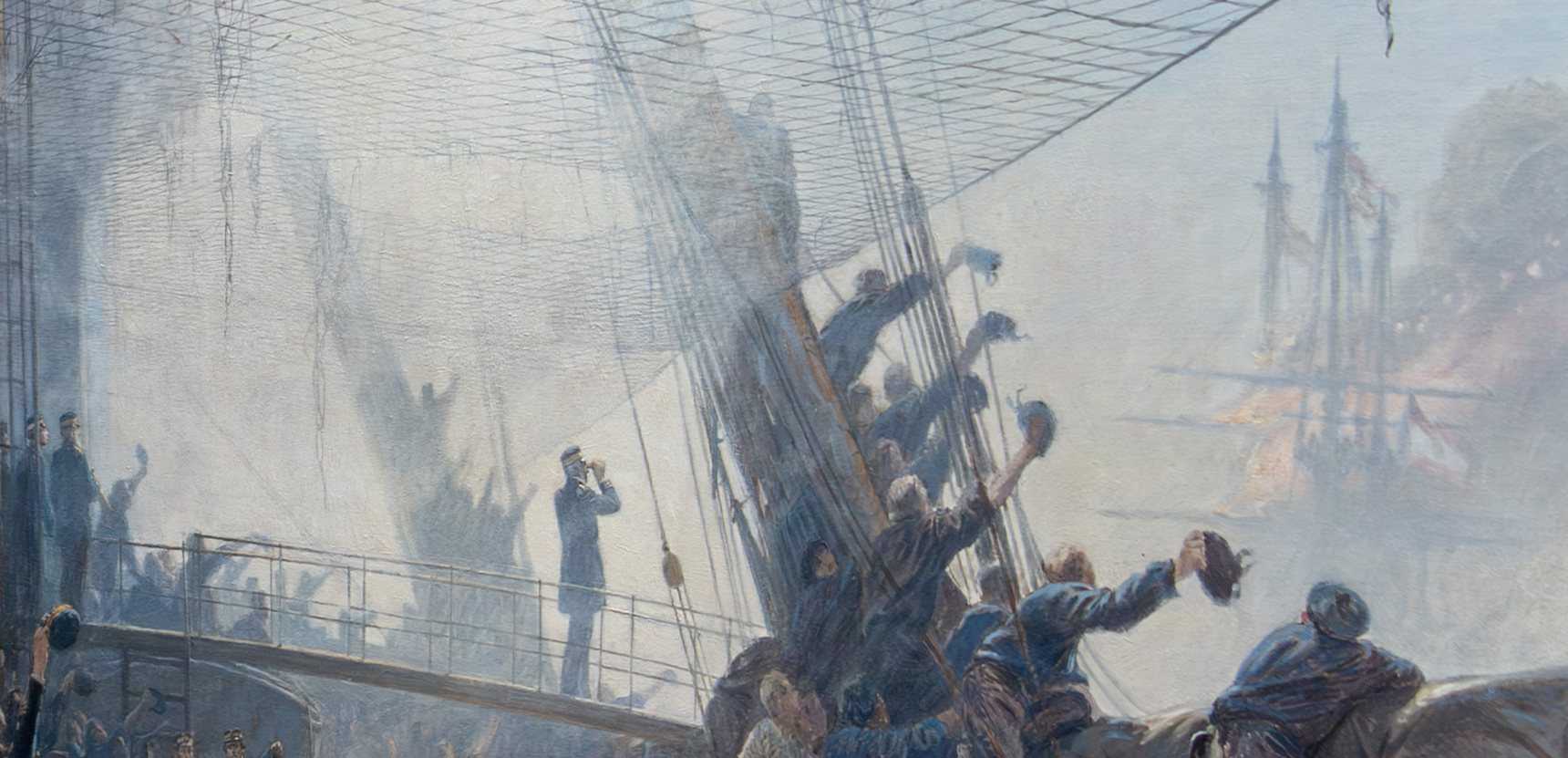
Udstillingen viser et bredt udvalg af hans kunst – fra berømte marinemalerier til værker med lokalt indhold.
Udstillingen viser et bredt udvalg af hans kunst – fra berømte marinemalerier til værker med lokalt indhold.


Behind the scenes at the Marine Painter
The studio provides a unique insight into Mølsted's working life and techniques. The walls contain not only his most famous marine paintings, but also rarer works with motifs from Dragør and the local area – scenes of everyday life, port activities and coastal landscapes that he knew so well.
Here you experience not only the paintings, but also the atmosphere in which Mølsted himself lived and worked. The museum's collection conveys his passion for detail, his sense of light and movement, and his ability to tell stories through the choice of motifs and composition.
Here you experience not only the paintings, but also the atmosphere in which Mølsted himself lived and worked. The museum's collection conveys his passion for detail, his sense of light and movement, and his ability to tell stories through the choice of motifs and composition.
The Dragør boy who became a painter
Christian Mølsted was born and raised in the maritime town of Dragør, where the sea and ships were a part of everyday life.
As a child, he sought inspiration from pilot Strømberg, who painted realistic ship pictures. Mølsted began drawing ships and harbor motifs early on.
As a child, he sought inspiration from pilot Strømberg, who painted realistic ship pictures. Mølsted began drawing ships and harbor motifs early on.
Dragør as home and base
Mølsted married Ingine Dorothea Svendsen in 1891, and the family settled in his childhood home in Dragør.
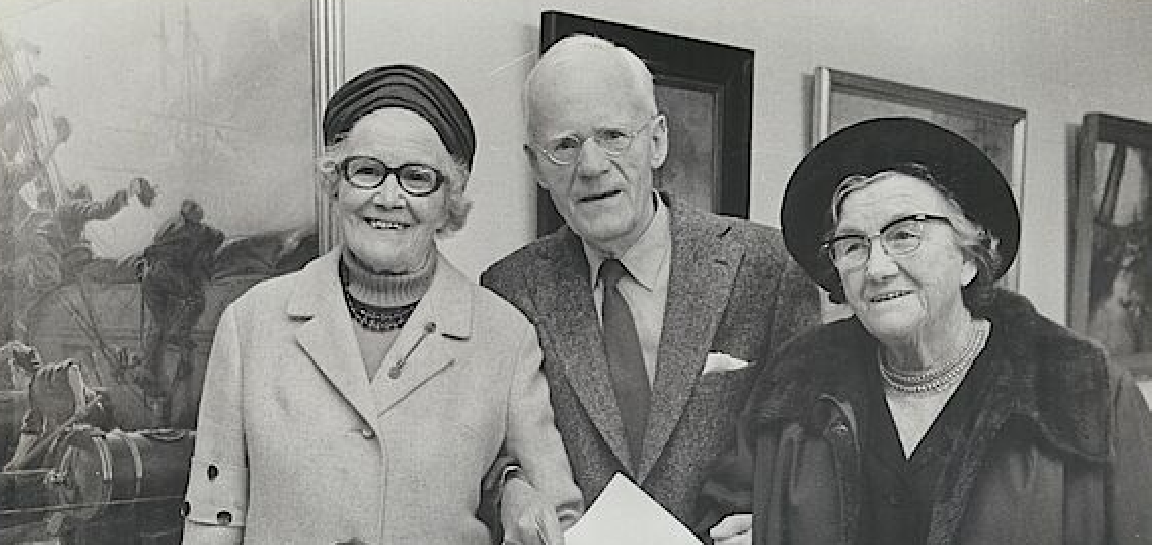
In 1974, his daughters donated the studio and a large collection of his paintings to Dragør Museum. Today, Mølsted's studio is part of Museum Amager.
In 1974, his daughters donated the studio and a large collection of his paintings to Dragør Museum. Today, Mølsted's studio is part of Museum Amager.
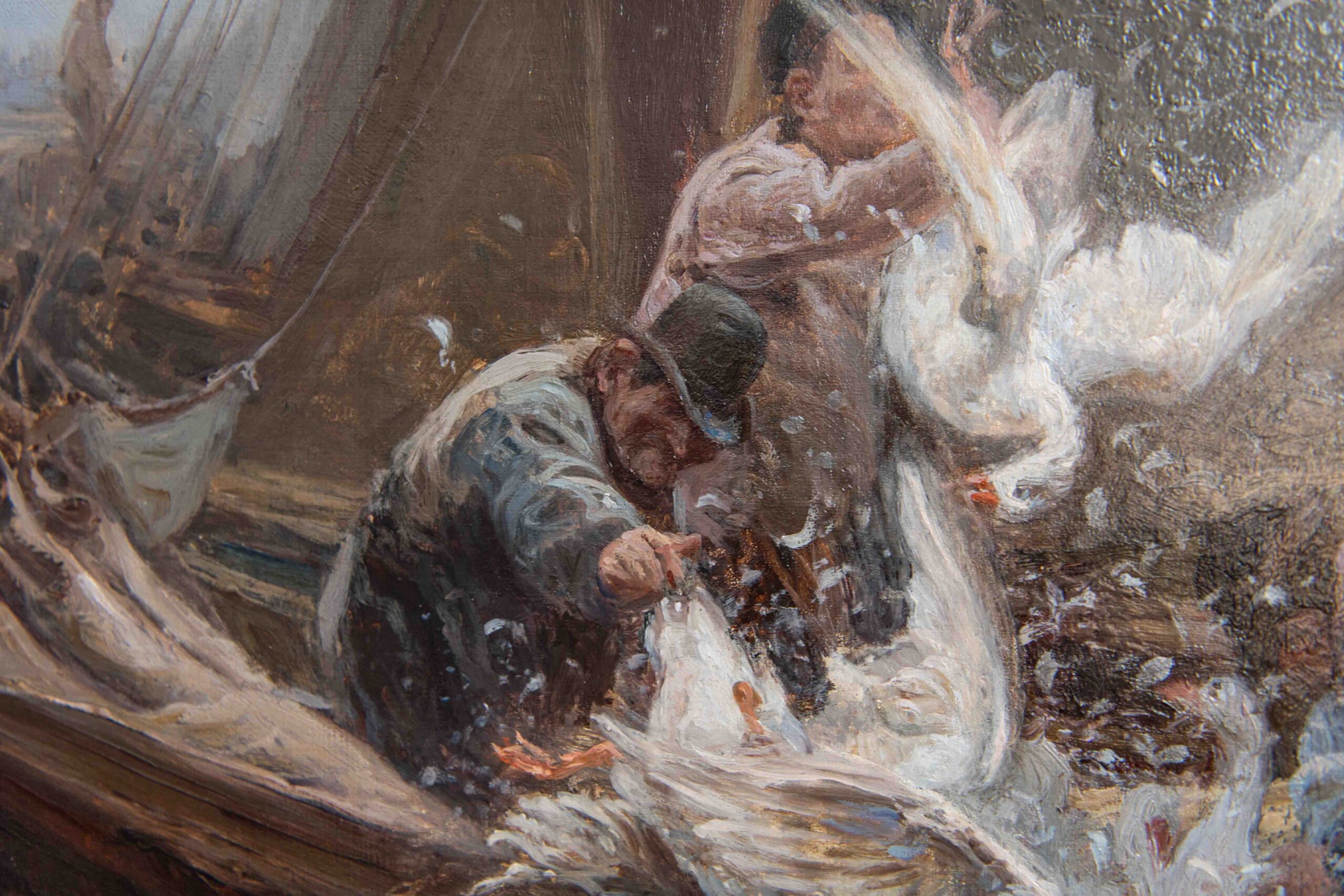
Artistic apprenticeship in Copenhagen
Mølsted attended technical school in Copenhagen, where he learned the basic rules of drawing.
Despite new trends in art, Mølsted chose to follow the classical academic style - a style he adhered to throughout his life.
Despite new trends in art, Mølsted chose to follow the classical academic style - a style he adhered to throughout his life.
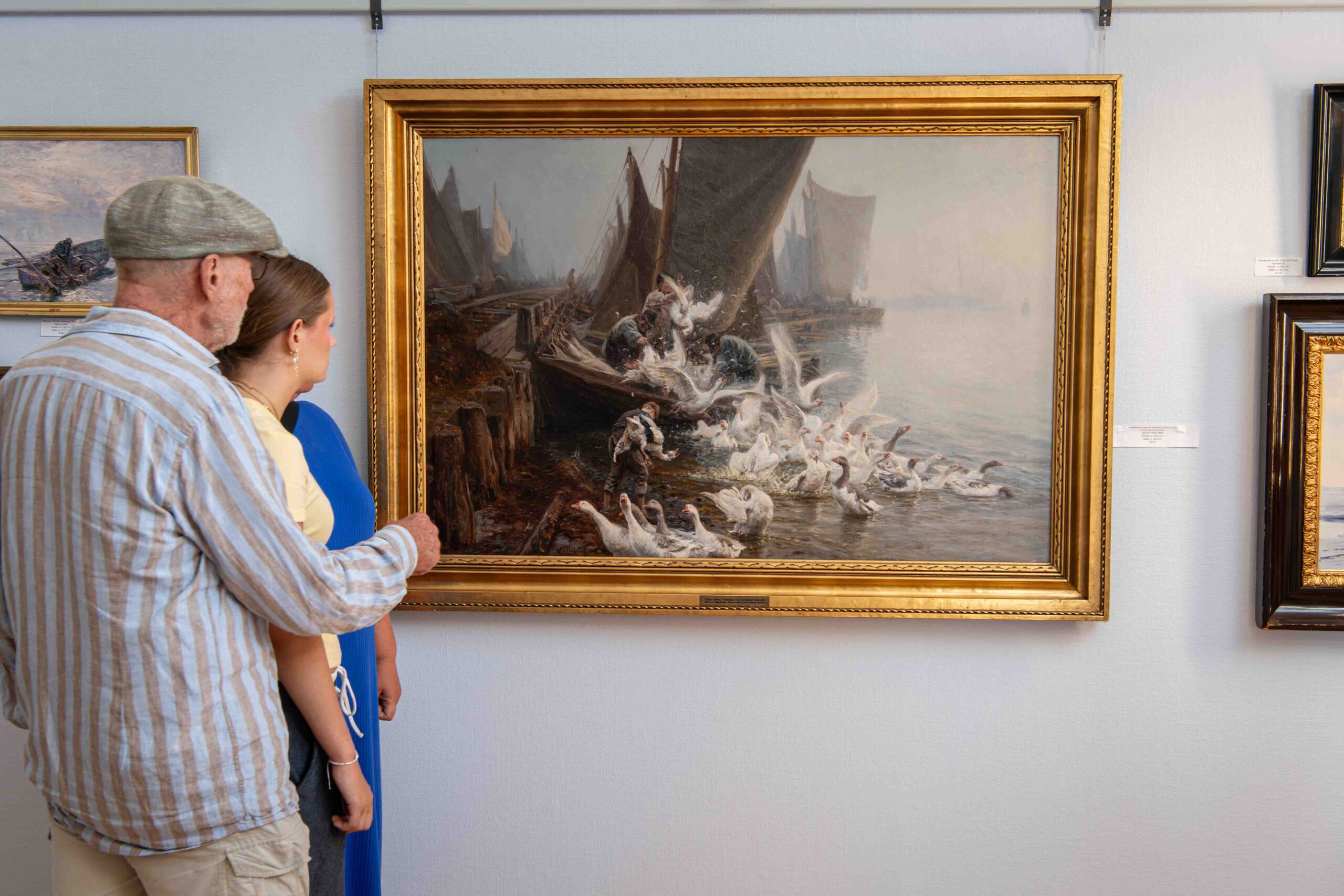
A classic painting style with prestige
Akademiets aftryk og kundekreds
Mølsted gennemgik Tegneskole, Gipsskole, Modelskole og Malerskole. Hans kundekreds bestod af marineministeriet, kaptajner, kongehus og embedsfolk.
Han afprøvede aldrig moderne stilarter som impressionisme, men beundrede salonmalere og sine akademilærere, især Carl Bloch.
Mølsted gennemgik Tegneskole, Gipsskole, Modelskole og Malerskole. Hans kundekreds bestod af marineministeriet, kaptajner, kongehus og embedsfolk.
Han afprøvede aldrig moderne stilarter som impressionisme, men beundrede salonmalere og sine akademilærere, især Carl Bloch.